
The Nitrogen Problem: Understanding Its Impact on Climate Change and How to Address It
Human activities have more than doubled the flow of reactive nitrogen through ecosystems, triggering a less visible but equally critical climate crisis. By disrupting the natural nitrogen cycle, excess nitrogen fuels eutrophication, dead zones and potent greenhouse gas emissions—undermining food production, clean water and biodiversity. This article defines the nitrogen problem, explains its environmental and health consequences, and outlines solutions ranging from sustainable agriculture to emerging technologies. You will learn:
- What reactive nitrogen is and why its overload matters for climate change
- How agriculture, industry and urban wastewater drive nitrogen pollution
- The ecosystem and human health impacts of eutrophication, nitrous oxide and nitrate contamination
- Effective mitigation strategies, including precision farming, wastewater innovations, policy frameworks and individual actions
- Connections to Sustainable Development Goals 2, 6, 13 and 15
- Cutting-edge capture technologies, global initiatives and real-world case studies
As an authoritative information hub, jazz.com.pk leverages data tools and digital services to support environmental monitoring and community engagement—bridging scientific insight with practical action.
What Is the Nitrogen Problem and Why Is It a Climate Crisis?
The nitrogen problem arises when human-driven processes convert inert nitrogen gas into reactive forms, overwhelming natural balances and fueling environmental degradation. By altering the nitrogen cycle, this imbalance leads to oxygen-depleted waters, biodiversity loss and increased emissions of nitrous oxide—a greenhouse gas with 273 times the warming potential of CO₂ over a century (IPCC, 2022). For example, fertilized croplands release excess nitrates that seep into waterways, triggering harmful algal blooms that suffocate aquatic life and release N₂O into the atmosphere.
What is reactive nitrogen and how does it disrupt the natural nitrogen cycle?
Reactive nitrogen refers to biologically active compounds such as ammonia (NH₃), nitrate (NO₃⁻) and nitrous oxide (N₂O). These forms result from fertilizer application, fossil fuel combustion and wastewater discharge. In the natural cycle, nitrogen gas (N₂) is fixed by microbes and plants, then returned to the atmosphere through denitrification. Excess reactive nitrogen bypasses these controls, causing nitrate leaching and greenhouse gas emissions that accelerate climate change.
Exploring the pathways of nitrogen fixation and denitrification highlights intervention points for mitigation.
How does excess nitrogen contribute to climate change?
Excess nitrogen contributes to climate change primarily through N₂O emissions, which trap heat more effectively than CO₂ and deplete stratospheric ozone. Additional impacts include altered carbon sequestration in soils and vegetation, contributing to atmospheric warming and feedback loops that amplify global temperature rise.
- Nitrous oxide emissions – Agriculture drives 70% of anthropogenic N₂O, enhancing greenhouse forcing (Tian et al., 2020).
- Soil carbon loss – Imbalanced nitrogen reduces microbial efficiency, lowering soil’s ability to store carbon.
- Albedo changes – Vegetation shifts from eutrophication affect surface reflectivity, subtly altering energy balances.
These mechanisms underscore the climate-critical role of nitrogen management and set the stage for source-focused mitigation.
What are the main sources of nitrogen pollution globally?

Nitrogen pollution stems from three principal sectors that transform inert N₂ into reactive compounds:
| Source | Transformation Process | Primary Reactive Output |
|---|---|---|
| Agriculture | Synthetic fertilizer and manure application | Nitrate (NO₃⁻), Ammonia (NH₃) |
| Industry & Energy | High-temperature combustion | Nitrogen oxides (NOₓ) |
| Urban Wastewater | Inadequate treatment and runoff | Ammonium (NH₄⁺), Nitrate |
Agricultural fertilizer use accounts for over half of global reactive nitrogen, while fossil fuel combustion contributes most industrial NOₓ. Recognizing these sources directs targeted interventions across sectors.
How Does Human Activity Disrupt the Nitrogen Cycle?
Human disruptions inject reactive nitrogen at rates far beyond natural fixation and denitrification capacities, creating a cascade of ecological and atmospheric impacts. This section explores how agriculture, industry and wastewater practices intensify nitrogen pollution.
How does agricultural nitrogen pollution affect the environment?
Agricultural nitrogen pollution occurs when applied fertilizers and livestock waste exceed crop uptake, leaving surplus nitrate and ammonia in soils and waterways. This surplus leaches into groundwater, fuels algal blooms in lakes and rivers, and emits N₂O from soil microbial processes.
- Precision farming improves nitrogen use efficiency, reducing runoff.
- Cover crops capture residual nitrogen, preventing leaching during off-season.
- Buffer strips alongside waterways filter out nutrients before they enter aquatic systems.
These practices demonstrate how optimizing nutrient cycles can restore balance to agri-ecosystems and limit greenhouse gas release.
What role do industrial emissions and urban wastewater play in nitrogen pollution?
Industrial combustion of coal, oil and gas generates nitrogen oxides (NOₓ) that contribute to smog, acid rain and nitrate deposition far from emission sites. Urban wastewater, when untreated or partially treated, releases ammonium and nitrate into rivers and coastal areas, compounding nutrient overload.
- NOₓ control technologies: Selective catalytic reduction and low-NOₓ burners curb industrial emissions.
- Enhanced biological treatment: Nitrogen removal processes in wastewater plants convert ammonium to harmless N₂ gas.
Together, these controls mitigate airborne and aquatic nitrogen inputs, preparing the way for ecosystem recovery and air quality improvement.
How does nitrogen runoff lead to eutrophication and aquatic dead zones?
Nitrogen runoff enters water bodies, fueling excessive phytoplankton growth that depletes dissolved oxygen as organisms decay. This process, known as eutrophication, creates hypoxic “dead zones” where most marine life cannot survive.
The interplay between nutrient loading and oxygen depletion illustrates why restoring balanced nutrient flux is essential for aquatic biodiversity and fisheries.
What Are the Environmental and Health Consequences of Nitrogen Pollution?
How does eutrophication create ocean dead zones and harm aquatic ecosystems?
Eutrophication triggers rapid algal proliferation that, upon decomposition, consumes oxygen and fosters anoxic conditions. Over 400 marine dead zones now exist, spanning coastal margins from the Gulf of Mexico to the Baltic Sea. Fish kills, loss of seagrass beds and reduced shellfish stocks undermine food security and coastal economies.
Restoring nutrient balances in watersheds is vital to prevent further collapse of aquatic habitats.
Why is nitrous oxide a potent greenhouse gas and what is its global warming potential?
Nitrous oxide (N₂O) ranks as the third most important long-lived greenhouse gas after CO₂ and CH₄. Its global warming potential is 273 times that of CO₂ over 100 years, and it persists in the atmosphere for more than a century. Agricultural soils are the largest anthropogenic source, accounting for roughly 70% of N₂O emissions.
Reducing N₂O emissions through optimized fertilization and soil management directly supports climate mitigation targets.
What are the air pollution and respiratory health effects linked to nitrogen compounds?
Ammonia and NOₓ react in the atmosphere to form fine particulate matter (PM₂.₅), leading to asthma, bronchitis and cardiovascular diseases. Elevated particulate levels from agricultural and industrial nitrogen emissions are linked to increased hospital admissions and reduced life expectancy in urban populations (WHO, 2016).
Lowering atmospheric nitrogen compounds improves air quality and public health outcomes.
How does nitrogen pollution affect drinking water and human health?
| Water Contaminant | Health Risk | Threshold Level |
|---|---|---|
| Nitrate (NO₃⁻) | Methemoglobinemia, cancer risk | 50 mg/L (WHO guideline) |
| Ammonia (NH₃) | Taste/odor issues, ecological toxicity | 1.5 mg/L |
Protecting water supplies through best management practices and treatment innovations is critical for safeguarding communities.
What Are Effective Solutions to Mitigate the Nitrogen Problem?
How can sustainable agriculture reduce nitrogen pollution?
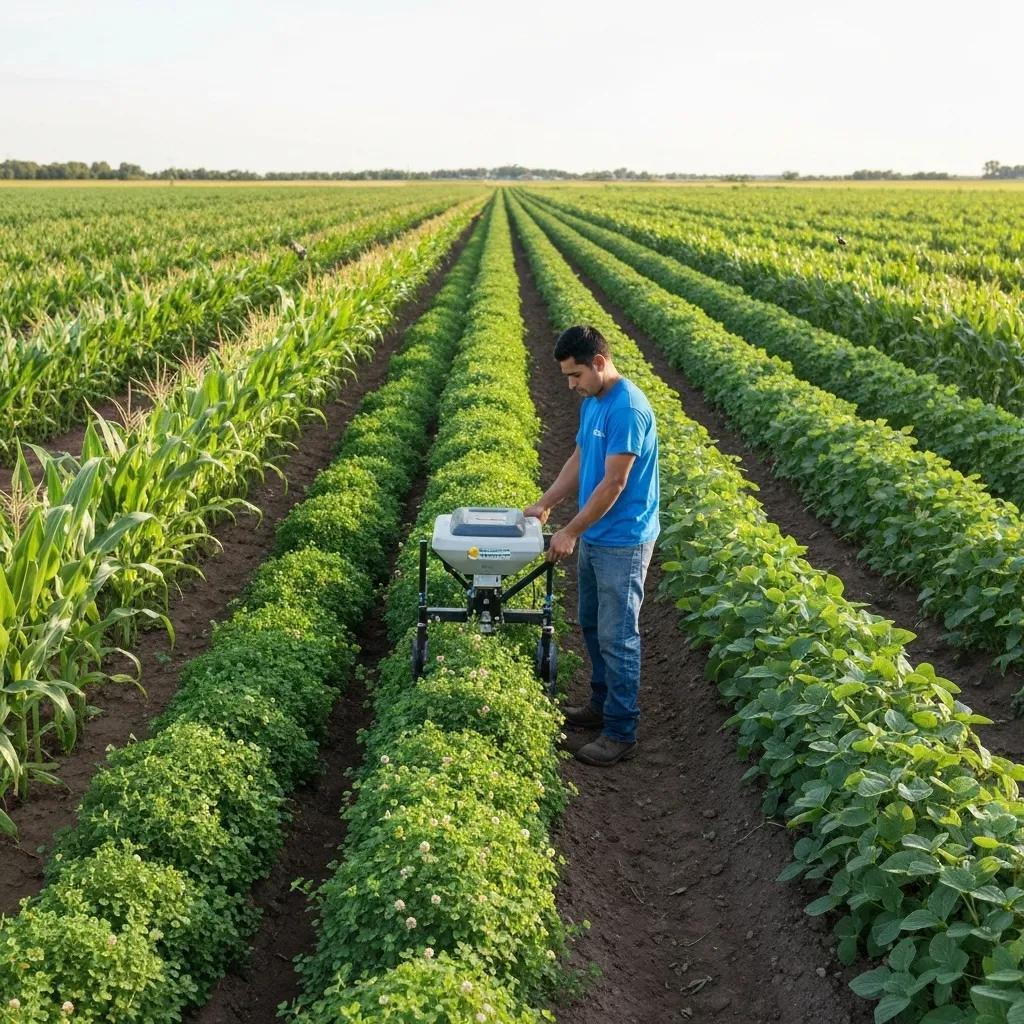
Sustainable agriculture enhances nitrogen use efficiency and reduces losses through precision technologies and ecological practices.
- Employ variable-rate fertilizer application guided by soil sensors and remote data.
- Integrate cover crops and crop rotations to capture residual nitrogen and build soil organic matter.
- Adopt no-till and reduced-till systems to improve nitrogen retention and reduce runoff.
Precision networks and connectivity services provided by platforms like jazz.com.pk can power real-time monitoring and decision support for farmers, promoting data-driven nutrient management.
What innovations exist in wastewater treatment to manage nitrogen?
| Treatment Process | Mechanism | Benefit |
|---|---|---|
| Anammox reactors | Convert ammonium and nitrite to N₂ | Energy-efficient nitrogen removal |
| Membrane aerated biofilm | Enhanced oxygen delivery to microbes | Compact footprint, high efficiency |
| Electrochemical stripping | Electrically driven ammonia recovery | Resource recovery for fertilizer |
Deploying digital monitoring and control systems over telecom networks ensures optimal performance and regulatory compliance in urban and industrial facilities.
How do industrial emission controls help lower nitrogen pollutants?
Industrial NOₓ controls leverage catalytic and combustion technologies to minimize emissions at the source.
- Selective Catalytic Reduction injects ammonia or urea into flue gas, converting NOₓ to N₂.
- Low-NOₓ burners optimize fuel and air mixing to reduce NOₓ formation during combustion.
- Advanced sensor networks track emission levels in real time, enabling adaptive control.
Integrating these technologies improves air quality and reduces deposition-driven nutrient loads in sensitive ecosystems.
What policies and governance frameworks support sustainable nitrogen management?
- Nutrient trading schemes create market-based incentives for nitrogen reduction across sectors.
- Fertilizer use regulations set limits on application rates and require nutrient management planning.
- Circular economy approaches promote recovery and reuse of nutrients from wastewater and manure.
Robust digital platforms can facilitate transparency, data sharing and stakeholder engagement to drive policy compliance and innovation.
What individual actions can reduce your nitrogen footprint?
- Choose plant-based or responsibly sourced foods to lower fertilizer demand.
- Conserve water to reduce wastewater volumes requiring treatment.
- Support community initiatives for wetland restoration and buffer strip planting.
By aligning consumer behavior with sustainable practices, individuals play a crucial role in closing the nitrogen loop.
How Is the Nitrogen Problem Linked to Other Global Challenges and Sustainable Development Goals?
How does nitrogen pollution impact clean water and biodiversity goals?
Excess nitrogen undermines SDG 6 (Clean Water) and SDG 15 (Life on Land) by degrading freshwater ecosystems and terrestrial habitats. Nitrate runoff fuels harmful algal blooms in rivers and lakes, while atmospheric deposition alters soil nutrient balances in forests and grasslands—threatening native species and ecosystem functions.
Protecting water bodies and habitats through nutrient buffering and restoration initiatives supports biodiversity and water security.
What is the relationship between nitrogen management and zero hunger?
SDG 2 (Zero Hunger) depends on balanced nutrient inputs to sustain crop yields without compromising environmental health. Precision nutrient management and organic recycling ensure adequate soil fertility while minimizing pollutant losses, promoting long-term productivity and food security.
Integrating nutrient stewardship with climate-smart agriculture enhances resilience to changing weather patterns.
How does addressing nitrogen pollution contribute to climate action?
SDG 13 (Climate Action) benefits directly from reducing N₂O emissions and enhancing soil carbon sequestration. Efficient nitrogen management lowers greenhouse gas outputs and improves soil health, contributing to carbon sink enhancement and climate mitigation.
Synergistic strategies that optimize nutrients and carbon cycling deliver multiple sustainability wins.
What Are Emerging Technologies and Future Directions for Nitrogen Management?
What new technologies are being developed for nitrogen capture and conversion?
- Electro-synthetic reactors use renewable electricity to convert nitrates to ammonia for fertilizer.
- Engineered microbial consortia enhance biological nitrogen transformation in soils and wastewater.
- Nanomaterial adsorbents capture and release ammonium on demand, enabling precision dosing.
These advances promise a circular nutrient economy that aligns with zero-waste principles.
How are global initiatives and collaborations addressing the nitrogen crisis?
- International Nitrogen Initiative (INI) fosters cross-sector dialogue on sustainable nitrogen management.
- UNEP partnerships integrate nitrogen targets into broader climate and biodiversity frameworks.
- Regional compacts engage governments, industry and communities to implement nutrient reduction plans.
Collective action amplifies innovation diffusion and ensures consistent progress across regions.
What are the economic and social dimensions of solving the nitrogen problem?
Investments in nutrient management yield economic returns through ecosystem service restoration, reduced healthcare costs and enhanced agricultural productivity. Social benefits include improved public health, community resilience and equitable access to clean water.
Understanding these cost-benefit dynamics guides policy and private-sector engagement toward sustainable outcomes.
Where Can You See Real-World Examples of Nitrogen Pollution and Its Effects?
What lessons can be learned from the Chesapeake Bay nitrogen pollution case?
Chesapeake Bay suffered severe eutrophication from agricultural and urban runoff, leading to persistent algal blooms and dead zones. Collaborative nutrient management plans, wetland restoration and upgraded wastewater treatment have reduced nitrogen inputs by over 25%, demonstrating that coordinated action can revive ecosystem health.
These efforts highlight the value of integrated watershed approaches and stakeholder partnerships.
How does the Gulf of Mexico dead zone illustrate nitrogen runoff consequences?
The annual hypoxic zone in the Gulf of Mexico, spanning up to 22,000 km², results from nitrogen-rich runoff delivered by the Mississippi River Basin. Nutrient reduction targets and conservation programs in upstream states aim to shrink this dead zone by controlling fertilizer application and restoring riparian buffers.
This regional initiative underscores the interconnectedness of land use and coastal health.
What do global nitrogen flow and emission statistics reveal about the crisis?
| Region | Reactive Nitrogen Input (Tg N/yr) | N₂O Emissions (Tg N₂O/yr) |
|---|---|---|
| Asia | 50 | 2.5 |
| Europe | 20 | 1.1 |
| North America | 18 | 1.2 |
| Global Total | 185 | 7.9 |
Despite progress in some regions, global reactive nitrogen inputs have more than doubled since 1960. Accelerated mitigation and technology deployment remain essential to curb emissions and restore balance.
Restoring harmony to the nitrogen cycle will require sustained collaboration, innovation and individual commitment. By embracing precision agriculture, cutting-edge treatment technologies, robust policies and community engagement, we can transform the nitrogen challenge into an opportunity for climate resilience, ecosystem recovery and human well-being.